
FTC Warning Letters Signal Continued Federal Focus on Debanking and Financial Access

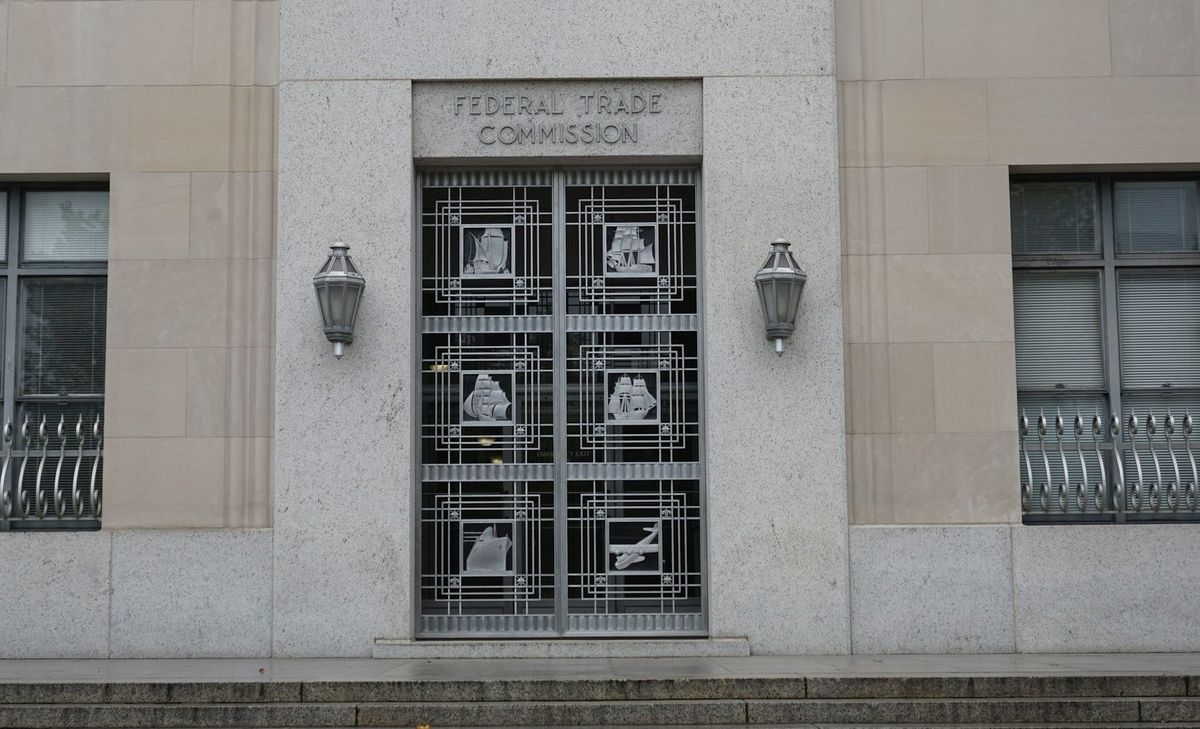
In the heart of America’s financial districts, a quiet storm is brewing. The Federal Trade Commission (FTC) has issued a series of warning letters addressing a growing concern echoing through regulatory and financial circles: debanking. This practice—often involving the sudden closure of bank accounts—can leave consumers and small businesses in a precarious position, struggling to navigate the complexities of modern finance without access to essential services.
An Unseen Crisis in the Financial System
The world of finance is built on stability and trust. Yet for many individuals and entrepreneurs, the abrupt withdrawal of banking services can feel like the rug has been pulled out from under them. The FTC’s warning letters are more than a regulatory gesture; they represent a clear signal that this issue is gaining urgency in today’s digital economy.
Consumers are often unaware of the opaque criteria that lead to account closures. Without warning, they may find themselves locked out of critical financial tools—unable to process payments, access funds, or maintain basic economic participation.
The Ripple Effect of Regulatory Actions
These warning letters are part of a broader federal effort to ensure that financial institutions adhere to fair and transparent practices. The implications extend far beyond individual account closures. In an era where financial access is directly tied to economic opportunity, even small barriers can trigger widespread consequences.
The FTC’s actions suggest a renewed commitment to consumer protection—one that emphasizes equal access to banking services regardless of socio-economic background. As regulators increase scrutiny, financial institutions may face growing pressure to justify their risk decisions and improve transparency.
Understanding the Dynamics of Debanking
While debanking is not a new phenomenon, its recent acceleration is raising alarms. At its core, it reflects the tightening grip of compliance requirements and risk management strategies within financial institutions. Banks, wary of regulatory penalties and reputational risks, may choose to close accounts they perceive as high-risk.
However, these decisions are not always precise. In many cases, overly cautious risk models can disproportionately impact minority communities and small business owners—groups that often rely most heavily on stable banking relationships to sustain growth and opportunity.
Data Insights: Housing Market Impacts
The consequences of financial exclusion do not stop at banking. They ripple into other sectors, including housing. Recent data from Zillow highlights tightening supply conditions in key Texas markets, underscoring the fragile link between financial stability and homeownership.
As access to financial services becomes more restricted, the pathway to securing mortgages or maintaining housing stability becomes increasingly difficult. This dynamic contributes to widening economic disparities, reinforcing barriers that many consumers are already struggling to overcome.
Broader Implications and Future Trends
The FTC’s intervention underscores a larger national conversation about financial inclusion. As policymakers and regulators confront the challenges of modern banking, the need for balance becomes evident. Financial institutions must be able to manage risk—but not at the expense of fair access.
Achieving this balance will be critical in shaping an inclusive economy. One where safeguards exist not only to protect institutions, but also to ensure that individuals are not unfairly excluded from participating in the financial system.
Why This Matters for Consumers
For everyday consumers, these developments highlight the importance of awareness and advocacy. The FTC’s proactive stance offers a measure of reassurance, but it also signals that ongoing vigilance is necessary.
As the financial landscape continues to evolve, the conversation around access, fairness, and accountability will only grow more significant. At stake is more than convenience—it is the ability of individuals and businesses to fully participate in the economy and pursue opportunity without unnecessary barriers.


