
What is FCRA? Understanding the Fair Credit Reporting Act
Under the FCRA, consumers have the right to access their credit reports and dispute any inaccuracies they find. This is crucial because errors in credit reports can lead to higher interest rates, denied credit applications, and even lost job opportunities.


Washington D.C. - The Fair Credit Reporting Act (FCRA) is a pivotal piece of legislation in the United States, designed to protect consumers by ensuring the accuracy, fairness, and privacy of information in the files of consumer reporting agencies. Enacted in 1970, the FCRA regulates how consumer credit information is collected, disseminated, and used, playing a crucial role in shaping the financial landscape for millions of Americans.
Consumer reporting agencies, such as Equifax, Experian, and TransUnion, collect and maintain information about consumers' credit histories. This information is then used by lenders, employers, and other entities to make decisions about credit, employment, insurance, and more. The FCRA outlines specific rights for consumers and responsibilities for these agencies and the entities that furnish them with information.
Why This Matters for Consumers
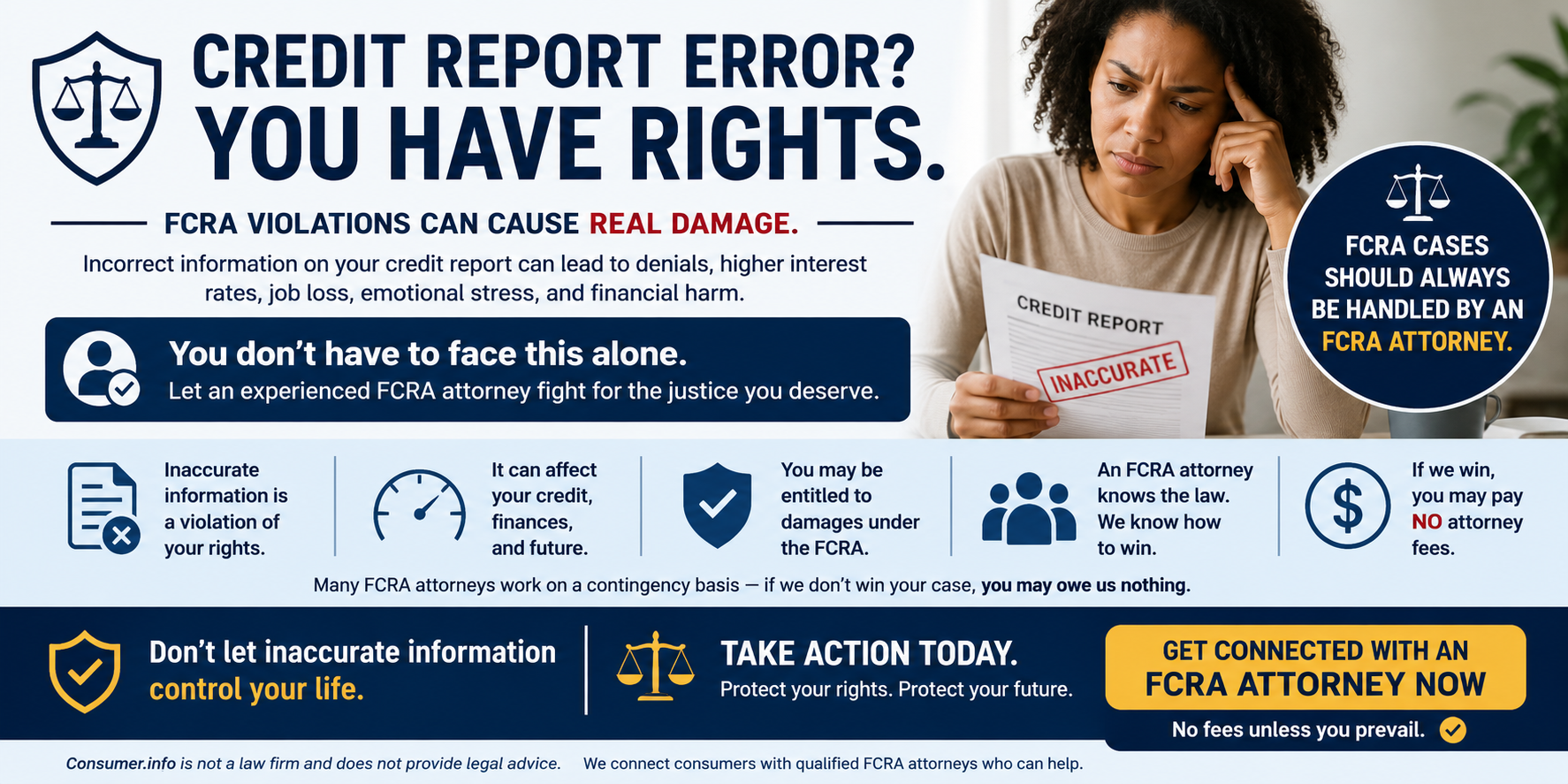
The FCRA is essential for consumers because it empowers them to have greater control over their credit information. Under the FCRA, consumers have the right to access their credit reports and dispute any inaccuracies they find. This is crucial because errors in credit reports can lead to higher interest rates, denied credit applications, and even lost job opportunities.
Moreover, the FCRA mandates that consumer reporting agencies and information furnishers take reasonable steps to ensure the accuracy and integrity of the data they handle. This regulation helps prevent the dissemination of incorrect information, safeguarding consumers from potential financial harm.
In addition, the FCRA requires consumer reporting agencies to provide free credit reports once a year to consumers who request them, making it easier for individuals to monitor their credit histories and catch any discrepancies early. This transparency is vital in a financial ecosystem where creditworthiness can significantly impact a person's quality of life.
Overall, the FCRA is a cornerstone of consumer protection, providing essential rights and tools for individuals to manage their financial information responsibly. By understanding and exercising their rights under the FCRA, consumers can better protect themselves against inaccuracies and ensure their credit reports accurately reflect their financial behavior.


